The world was watching this summer as athletes from around the world gathered in Paris to compete in the 2024 Summer Olympics. Athletes of all ages, nationalities and abilities were represented on the pitch, field, track, and pool. One of the most popular events for spectators is women’s gymnastics, where athletes complete seemingly impossible skills on the vault, beam, bars, and floor. These women train their entire lives for this moment, so the pressure is palpable. They fine-tune every aspect of their training regimen to cultivate a powerful focus, not allowing themselves to be swayed by pressure from the stakes, audience, or their coaches.
US gymnast Simone Biles is taking the sport by storm, considered by many to be one of the greatest gymnasts of all time, as she is capable of performing gymnastics skills at higher levels of difficulty than any of her predecessors. Four years ago, at the 2020 Summer Olympics in Tokyo, Biles made the decision to pull out of the games and not compete. She was having difficulty orienting herself while rotating in the air and decided the risk was not worth the reward. As with any decision made on a world stage, her choice was met with mixed responses. Some felt she showed fragility and failure in her choice to “quit”, leaving her team to carry the competition. Others commended her wisdom in making the decision to protect her physical and mental health, despite facing immense external pressures.
As I watched the Olympics this summer, I started thinking about my own experiences as an athlete. While I am by no means an Olympian, movement has always been a central element of my life, most often focused on dance and running. At some point, every athlete makes this critical decision – to push through or stop, recover, and try again at another time. Biles could have navigated her physical and mental health symptoms and competed anyway, risking serious and possibly career-ending injuries in the process. Instead, she chose to stop, rest, and change course, even when others may have doubted her decision. She gave up the medals she could have won in Tokyo, only to gain the opportunity to compete in four years later, this time at full physical and mental health. She suffered and made a sacrifice, but in the end she gained back even more.
In addition to watching the Olympics, my plan this summer was to compete in two running races: one team relay and one marathon. Despite my best laid plans, working full time and a seasonal job at the same time last spring left me feeling drained. After that sprint to the finish, I fell very ill. For weeks I hardly had the strength to move, so running training was out of the picture for an undetermined amount of time. Not only was I physically unable to run, but mentally I had no desire to. I had felt that desire for so long that it was strange not to feel it anymore.
Like Biles, I had reached that critical decision point – do I push through or step back and recalculate? I chose the latter, which I found was a difficult test for me. During that season, I was forced to rest and process areas where my spiritual life had gotten off track. As a high-achiever, it’s easy for me to start believing that my worth is contingent on my performance or achievements. This fruitless quest to earn my worth has manifested itself in many different ways throughout my life, and I realized this was just one more iteration. Through that illness, God used my season of suffering to lead me back to a place of rest and reflection, where I could stop striving to achieve my worth and earn my value.
Another key lesson I learned in this season was about changing my plans. I love making plans, and when they change it can be difficult for me to navigate. Especially when it’s a plan that I have mistakenly equated with my worth or value, like the validation and accomplishment of running a marathon. When I am in the unhealthiest place in my mental health, I feel like a “failure”, even for something neutral like adjusting my plans. Without being able to run for spring training, the marathon idea had gone out the window. I had to learn to let that plan go without letting it impact my self-worth.
So I took the time I needed to rest, to process those things, and finally let them go, but I was not out of the woods yet. My illness persisted until mid July, making me doubt if I would be healthy enough to join for the team relay in August. I was thinking and praying about it, and the response I got from God was “Just wait and see”. I was reminded to take more time to wait on God and trust his timeline, not in my plans.
I started to regain my health, but not until the very end of July, giving me just four weeks to buckle down and prep for the relay. I remember one Friday night, I was going out for a long run. It was almost 90 degrees, so those were not favorable conditions. When you’re training, you’ve just got to get your miles in and sometimes the conditions don’t cooperate. I started out by expecting the worst but then something strange happened – I was enjoying it.

That feeling I had not felt for so long was back. As the miles passed by, my mind wandered into deeper thoughts and reflections, which is my favorite way to pass the time on a long run. I started to think about suffering again, and how most suffering is something we do not choose or anticipate, like loss, grief, illness, or death. In a way, athletes suffer when they train for a long distance race, lifting a massive weight or swimming a mile. But the difference is that chosen suffering can be anticipated and mentally prepared for, while unexpected suffering can drop out of nowhere and blindside us with grief.
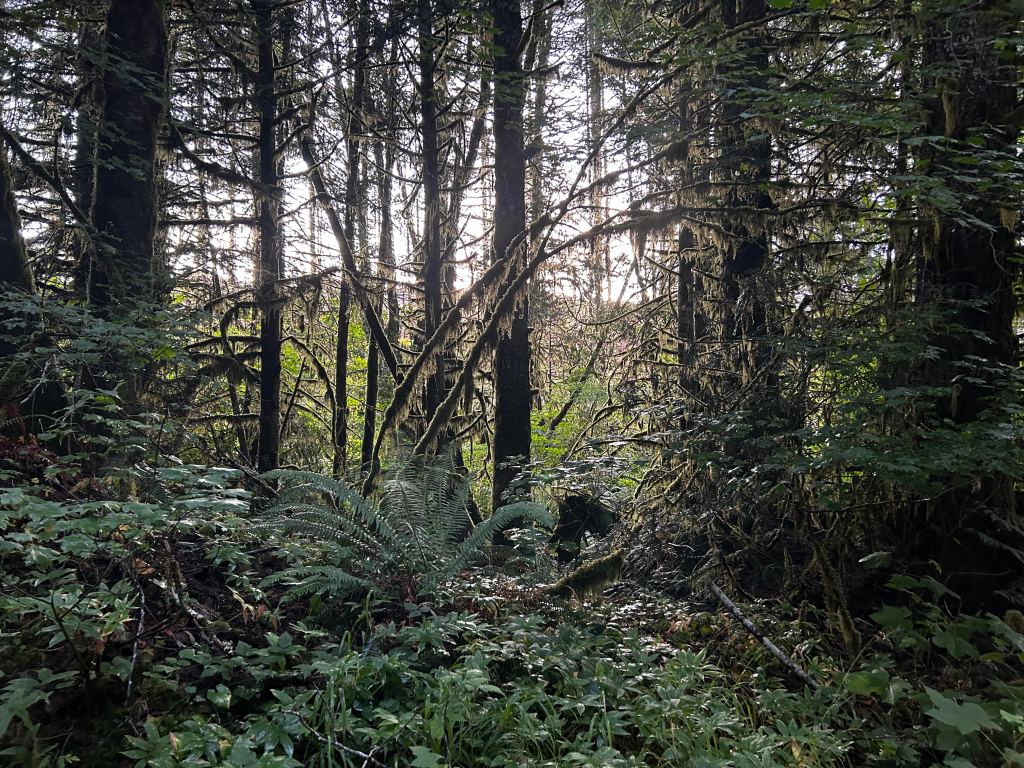
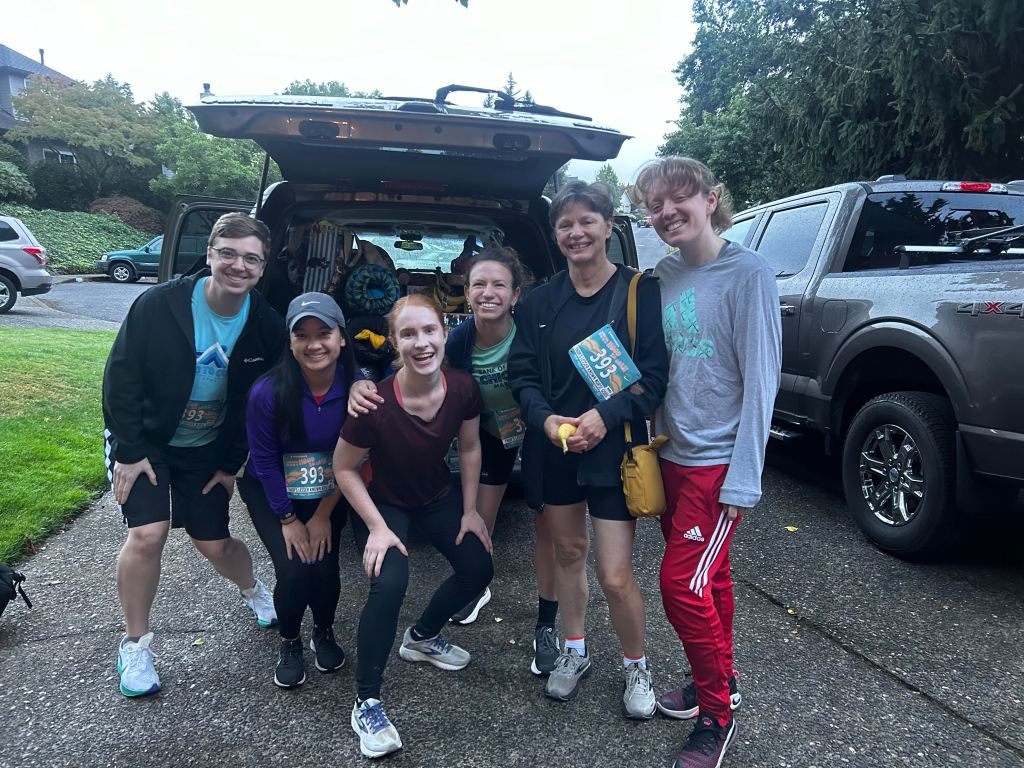
Time went on and I recovered enough to join the relay race. Running this race for the first time with my team was the most incredible experience. I loved the journey of working together to achieve our collective goal of running from the mountains to the coast. Out of my set of race legs, the late-night run stands out most clearly. I took the baton and set off, along the wide forest road that plunged into dense woods, keeping a brisk pace as I moved through the trees. I inhaled cold alpine air as I listened to the chatter of insects and small animals in the brush nearby. That leg of the race was followed by a quick sleep out under the stars, where we were exposed to the elements for a couple hours of surprisingly satisfying rest.
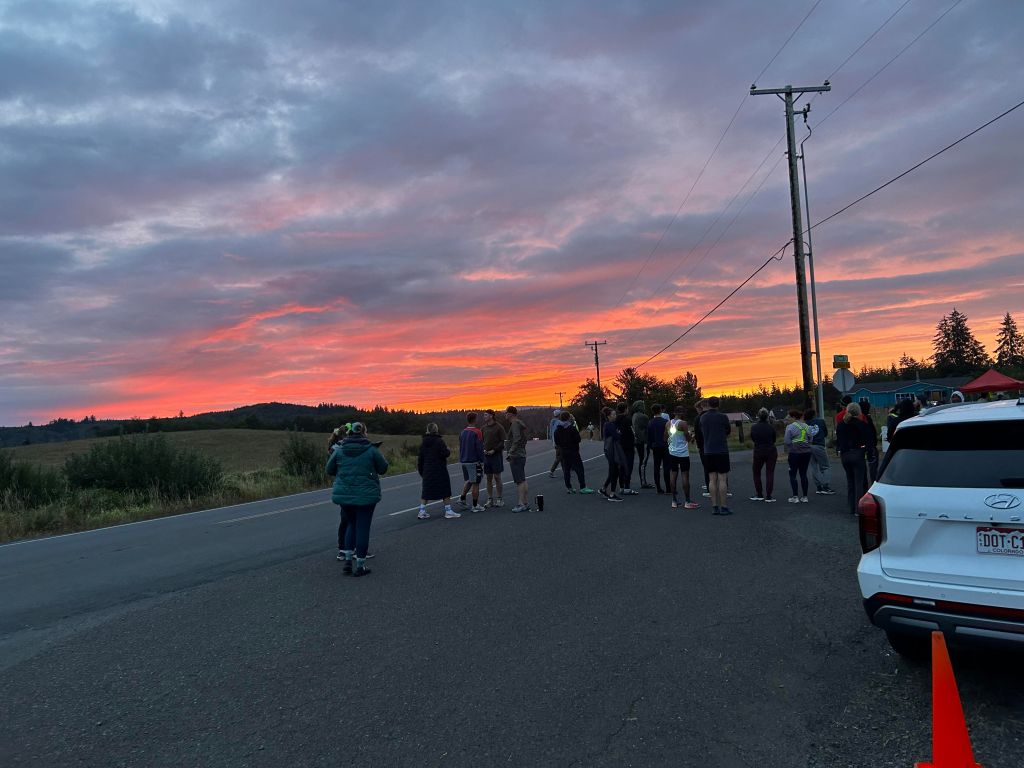
My final run was initiated by a brilliant sunrise, lighting up the final hill and valley of the course with a stunning orange glow. As I ran, I experienced deep gratitude, peace, and freedom. If I had stayed where I was, I never would have had this incredible adventure. If I had stayed where I was, I never would have left my comfort zone and tried a new challenge. If I had stayed where I was, I would not be gaining the wisdom that God had prepared for me in this moment, through this journey of struggle and triumph.
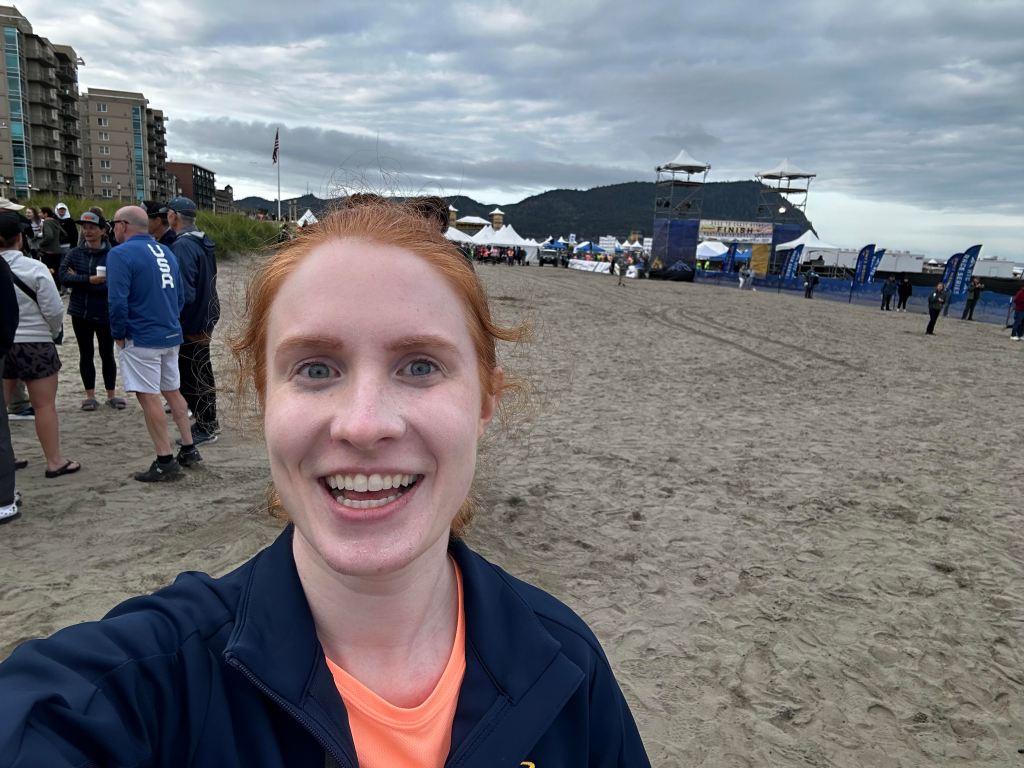
I am so grateful to have had this experience at the race, but it was not an easy road to get here. Through navigating a persistent illness, many phone calls with doctors, training being put on hold, and uncertainty about what was next, it was a season of suffering in my life. I had to let go of my plans and trust God to show me what was next. I had to learn to walk away from things that we not meant for me and how to be at peace with that reality. I had to grow in my ability to disconnect my worth from achievements, remembering that Jesus has achieved everything on the cross. The work is finished and the end of my story has been written, and I need to be continually reminded of this truth when I am tempted to return to my striving and worth-earning ways.
I had to acknowledge, process, and navigate the mental and emotional barriers that were holding me back from being who I was created to be. I was grateful for that season of struggle because I am stronger for it. For me, suffering was a gift that created a space for me to stop and breathe, to feel what I needed to feel in order to begin healing. I had to make sacrifices and choose to let things go, in order to allow God to use the suffering to do its refining work in my life. On the other side of suffering, I gained new perspective, healing, freedom, and life to the full.


 Walking with Wisdom